After installing hundreds of patios across Reading, I’ve seen homeowners struggle with choosing between natural stone and porcelain paving. Both materials offer distinct advantages, but understanding their differences helps you make the right choice for your specific needs.
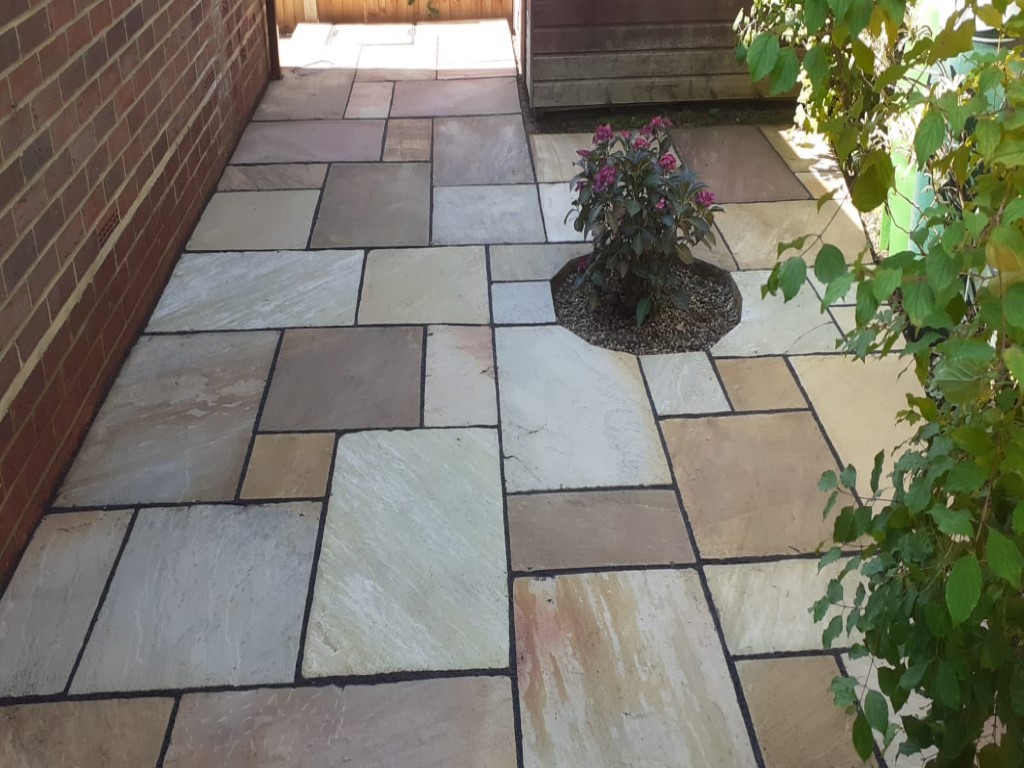
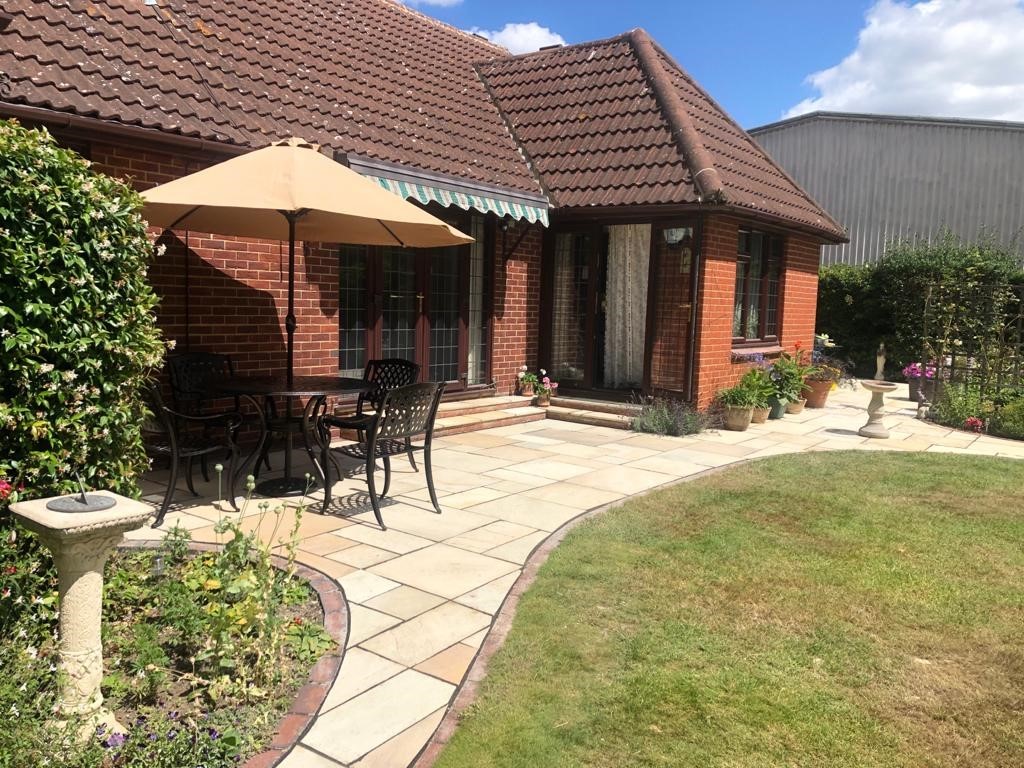
Natural stone brings authentic character that porcelain simply cannot match. Each slab displays unique colour variations, textures, and markings formed over millions of years. Limestone, sandstone, and granite create timeless appeal that complements Reading’s period properties beautifully.
Porcelain paving delivers consistency that natural stone lacks. Every slab matches perfectly in colour and thickness, creating uniform surfaces ideal for contemporary homes. The manufacturing process eliminates natural variations that some homeowners prefer to avoid.
Durability and Maintenance Requirements
Natural stone requires regular sealing to prevent staining and moisture penetration. Most varieties need treatment every two to three years, depending on usage and weather exposure. Professional maintenance and sealing protects your investment but adds to long term costs.
Porcelain paving offers superior stain resistance without sealing requirements. Its non-porous surface repels spills, oil, and organic matter that would penetrate natural stone. Simple washing with soapy water maintains its appearance indefinitely.
Weather Performance in Reading’s Climate
Reading’s wet winters test both materials differently. Natural stone can develop moss and algae growth in shaded areas, requiring periodic cleaning with appropriate treatments. Some softer stones like certain sandstones may show weathering over decades.
Porcelain handles freeze-thaw cycles exceptionally well due to its low water absorption rate. Ice formation rarely causes damage, and the material maintains its appearance despite Reading’s variable weather patterns. However, even porcelain surfaces can become hazardous in icy conditions, so consider winter safety solutions for slippery driveways to ensure year round safety.
Cost Comparison and Value
- Natural stone: £25 to £60 per square metre for materials
- Porcelain paving: £30 to £80 per square metre for materials
- Installation costs remain similar for both materials
- Natural stone requires ongoing sealing expenses
- Porcelain offers maintenance-free ownership
Natural stone typically costs less initially but accumulates maintenance expenses over time. Porcelain commands higher upfront investment but eliminates ongoing treatment costs, often proving more economical long term for busy homeowners.