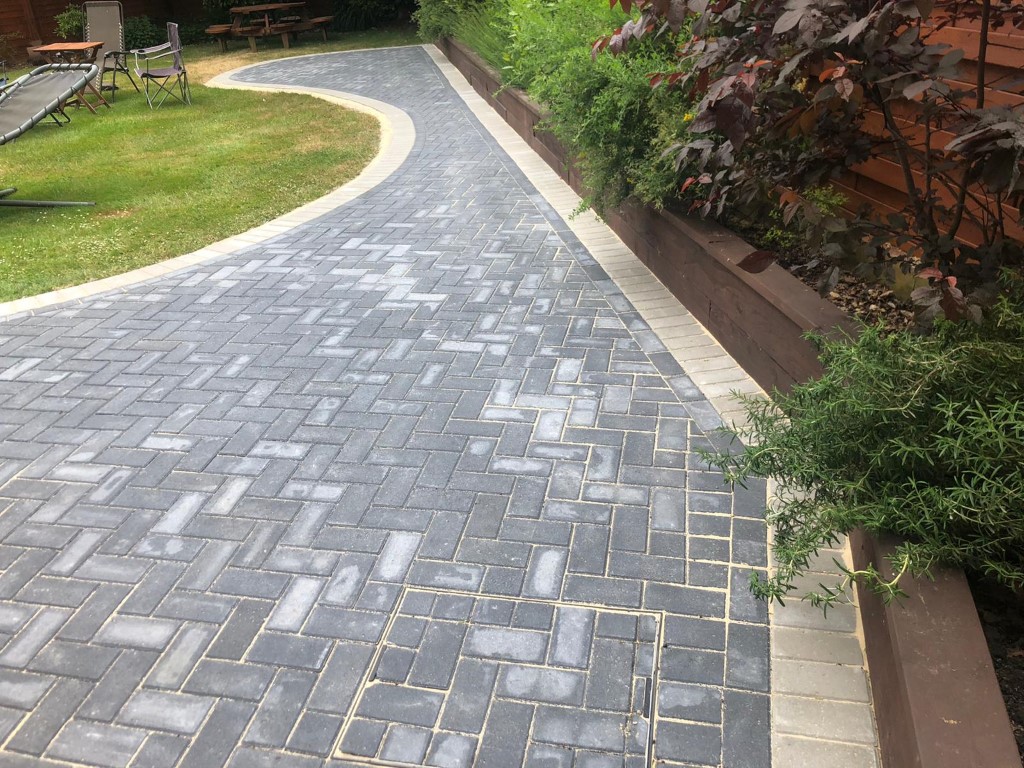

Choosing between clay pavers and concrete blocks fundamentally determines your project’s appearance, longevity, and maintenance requirements. Both materials offer distinct advantages for Reading homeowners considering block paving installations.
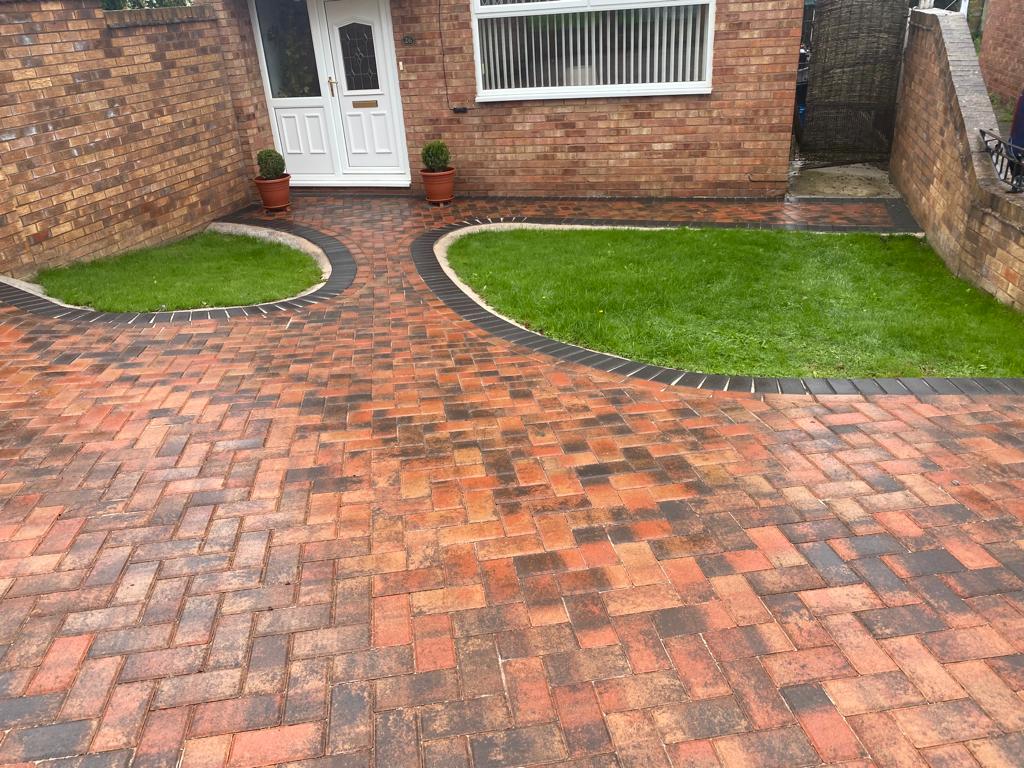
Clay pavers are manufactured from natural clay fired at high temperatures. This process creates dense, durable blocks with rich, varied colours that develop character over time. When choosing quality clay pavers, the natural firing process produces subtle colour variations that many homeowners find appealing.
Concrete blocks are made from cement, aggregate, and pigments pressed into moulds. They offer consistent sizing, uniform colour distribution, and typically cost less than clay alternatives. Modern manufacturing techniques produce blocks that closely mimic natural materials.
Performance and Durability Differences
Clay pavers excel in freeze-thaw resistance, making them particularly suitable for Reading’s variable climate. Their low water absorption rate prevents cracking during winter months. Clay blocks typically maintain their colour better over decades of use.
Concrete blocks offer excellent compressive strength and can handle heavy vehicle loads effectively. However, they may fade slightly over time and can be more susceptible to efflorescence, where white salt deposits appear on surfaces.
Cost and Installation Considerations
- Clay pavers cost 20 to 40 percent more than concrete blocks initially
- Both materials require identical sub-base preparation and installation methods
- Clay blocks may require less replacement over time due to superior durability
- Concrete blocks offer wider availability and shorter lead times
Maintenance and Long Term Value
Clay pavers require minimal maintenance beyond occasional cleaning and re-sanding joints. Their natural aging process often enhances visual appeal. Any individual damaged blocks are easily replaced without affecting surrounding areas.
Concrete blocks may need periodic cleaning to remove efflorescence and occasional re-sealing to maintain colour vibrancy. However, their consistent sizing makes replacement straightforward when necessary.